About Stanhope
We have delivered over 30 million square feet and £40 billion of end value delivered and under construction, and typically manage around £3 billion of construction value on site and in our pipeline.
We are a business that is comfortable with complexity. We generate consistent returns for our partners whilst setting new standards for workplaces, homes and cultural spaces that people love to use.
Latest from Stanhope
All news
Senior Development Director, Charles Walford, and ESG Executive (and Stanhope Foundation lead), Alice Reid, volunteer on a late-night shift as Outreach volunteers.

A celebration of completing 8 Bishopsgate, a sustainable tall building in the City.
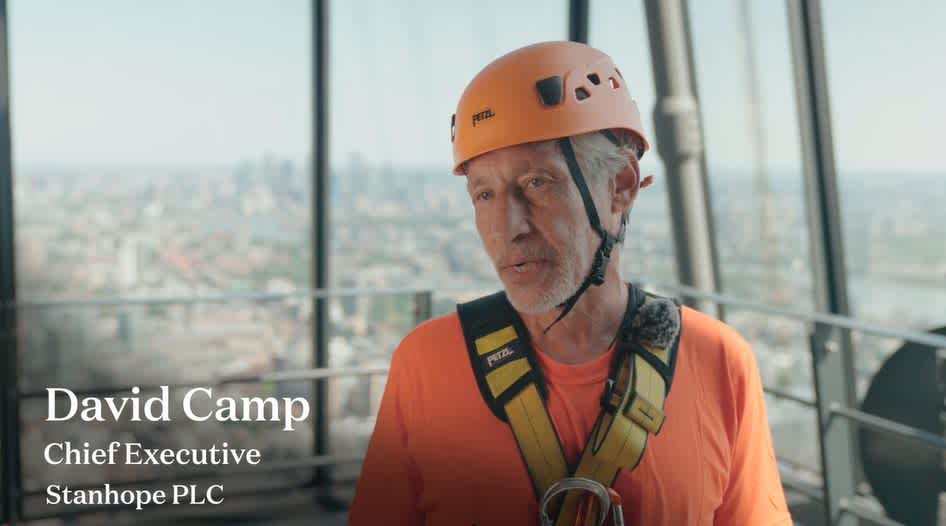
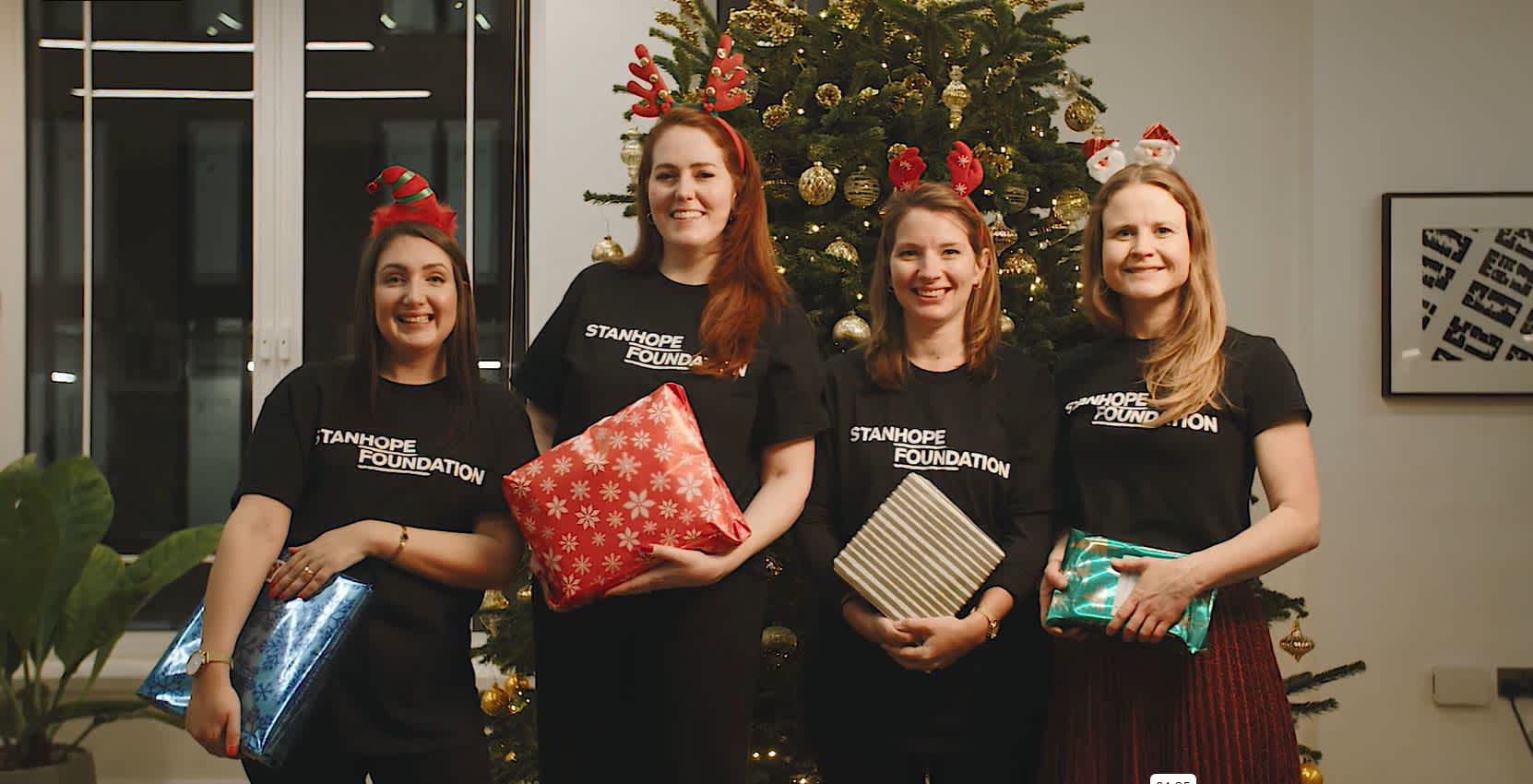
Our fearless Stanhope Foundation team abseiled off the Leadenhall Building raising over £8k for Maggie's Centres.
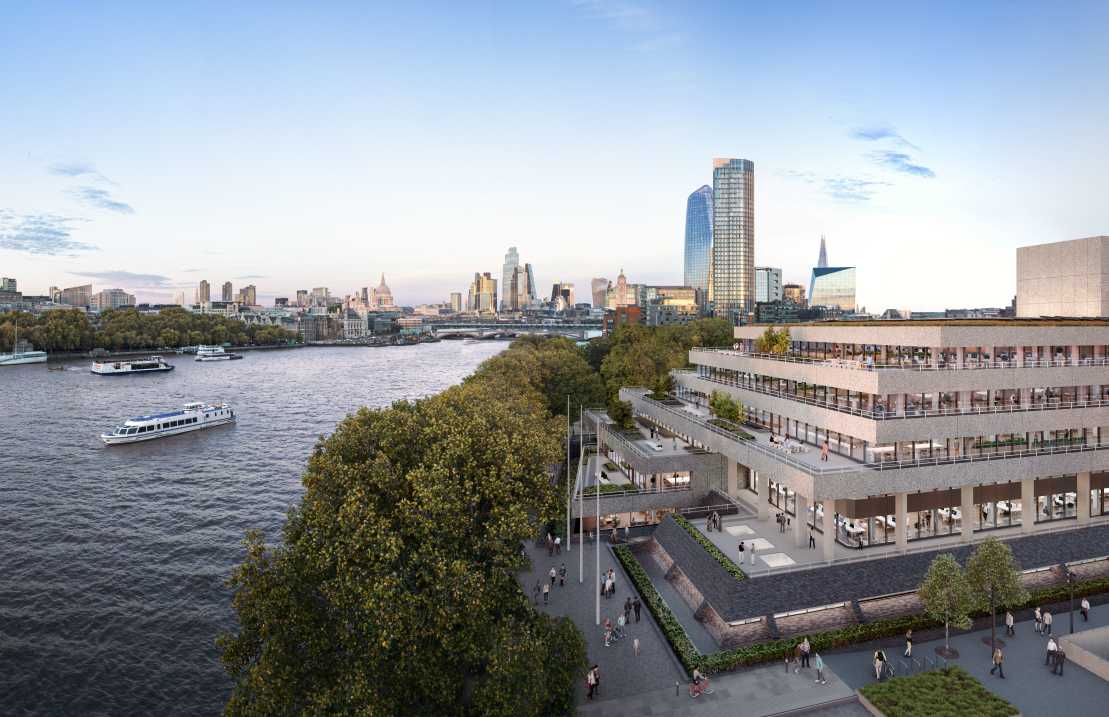
Stanhope are pleased to announce that construction work has commenced on the transformation and extension of 76 Southbank, adjacent to the National Theatre, to create a premier, sustainable office space that embodies innovation and wellbeing.
Stanhope and Mitsubishi Estate London have signed specialist insurer Atrium for a flagship office development in the City of London.
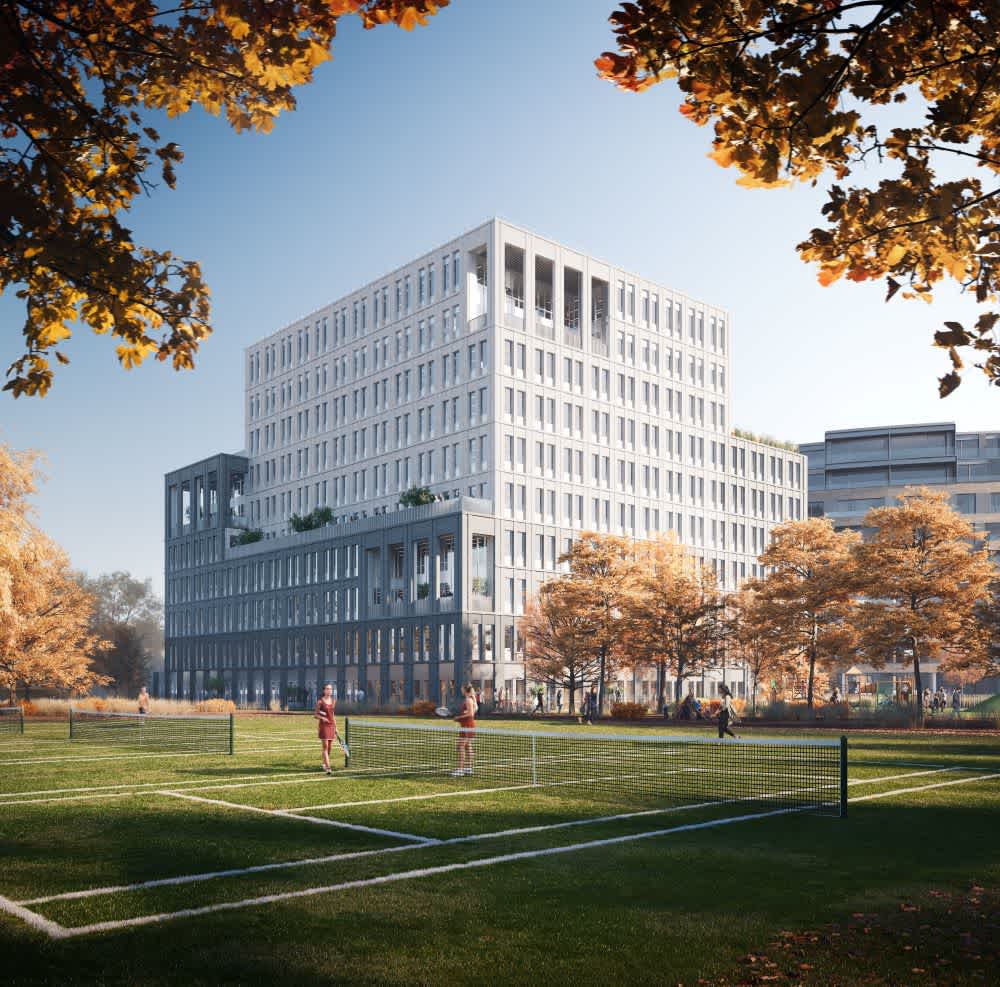
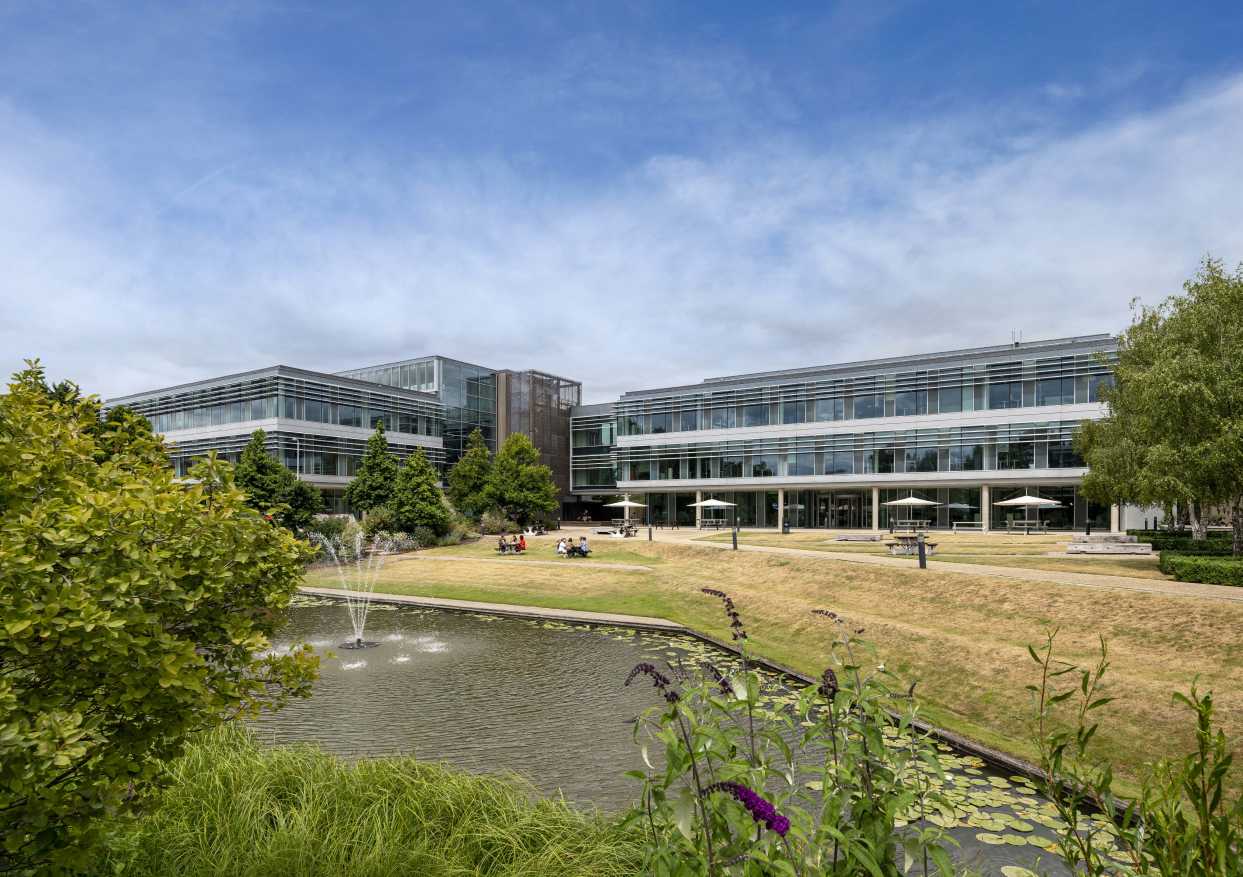
Stanhope, on behalf of investors Mitsui Fudosan and Alberta Investment Management Corporation (AIMCo), and some of their clients, is announcing the completion of 1 Wood Crescent at Television Centre in West London and its availability for letting to prospective tenants.
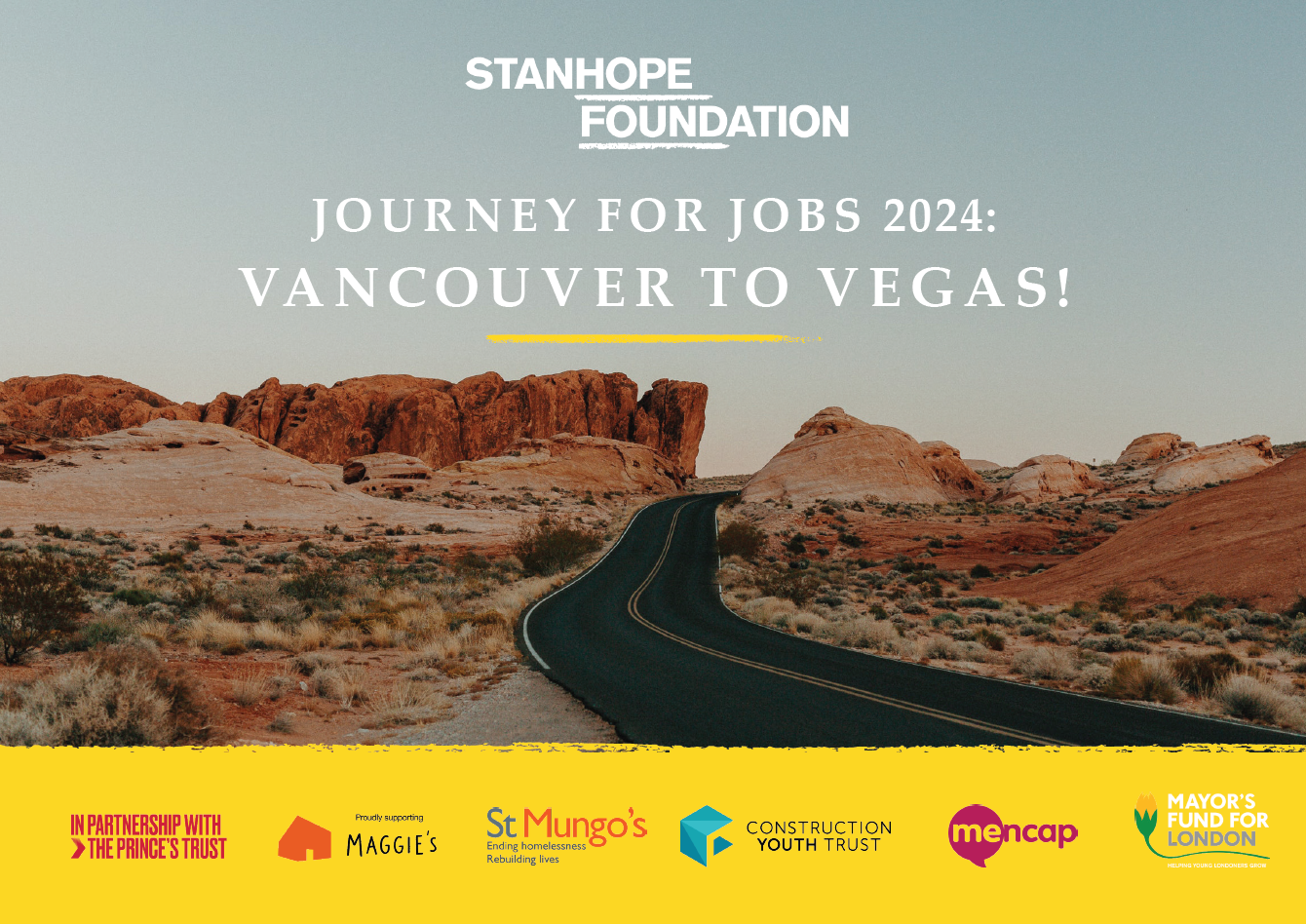
Stanhope Foundation’s Journey for Jobs race – Vancouver to Vegas is now on!
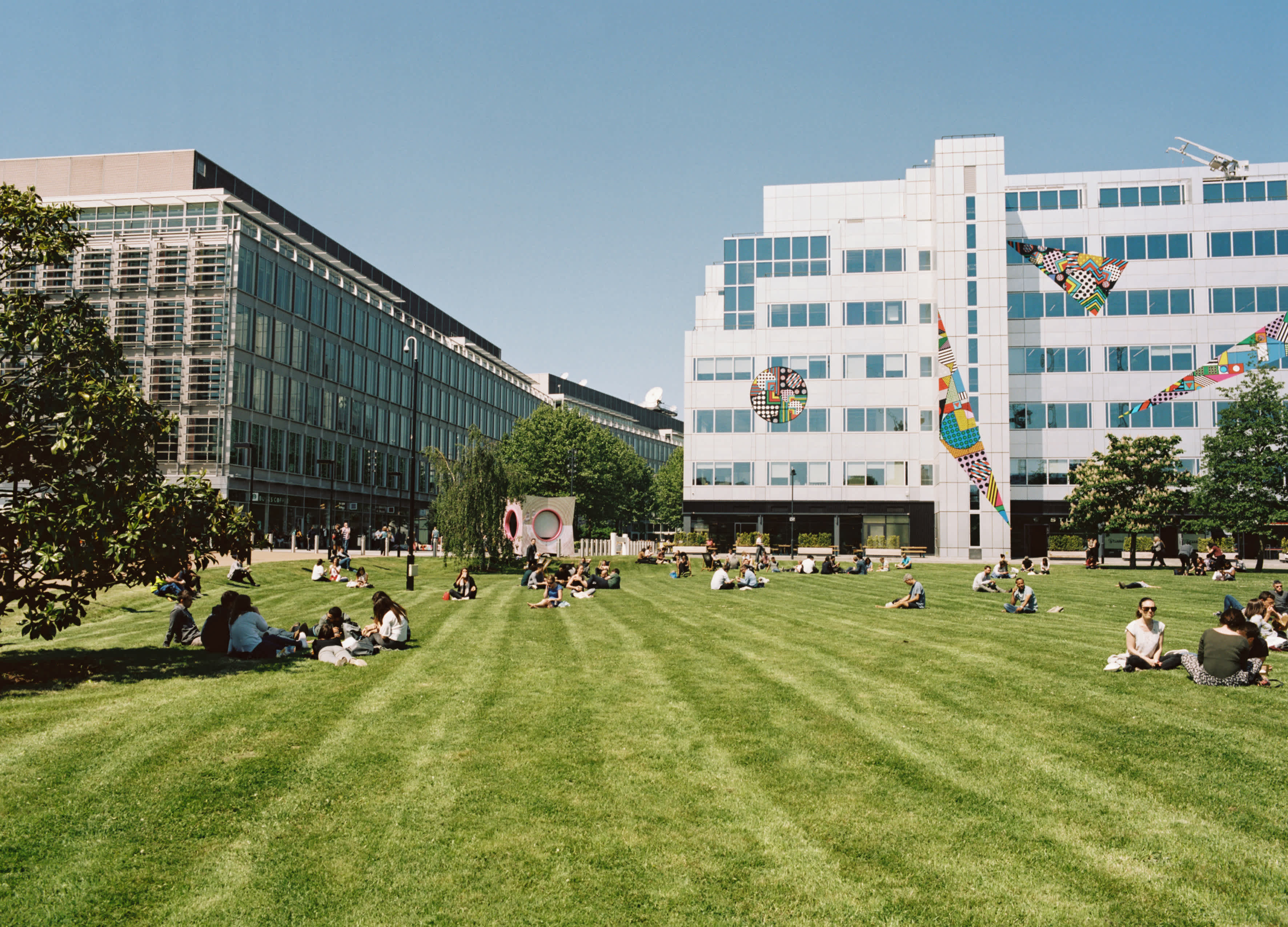
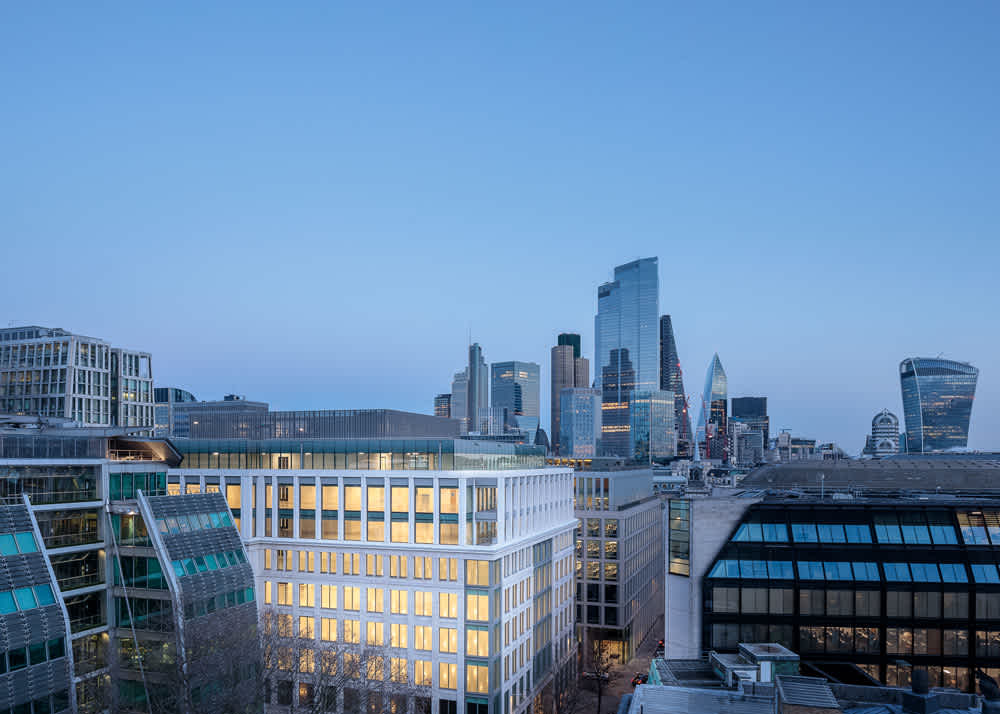
Stanhope and the Swiss Investment Foundation AFIAA today are delighted to announce that Bank of Ireland has confirmed it is to relocate its London office to the last vacant floor in Gresham St Paul’s
Canadian investor Cadillac Fairview, the real estate arm of Ontario Teachers’ Pension Plan, has acquired a 25% stake in UK developer and asset manager Stanhope PLC.
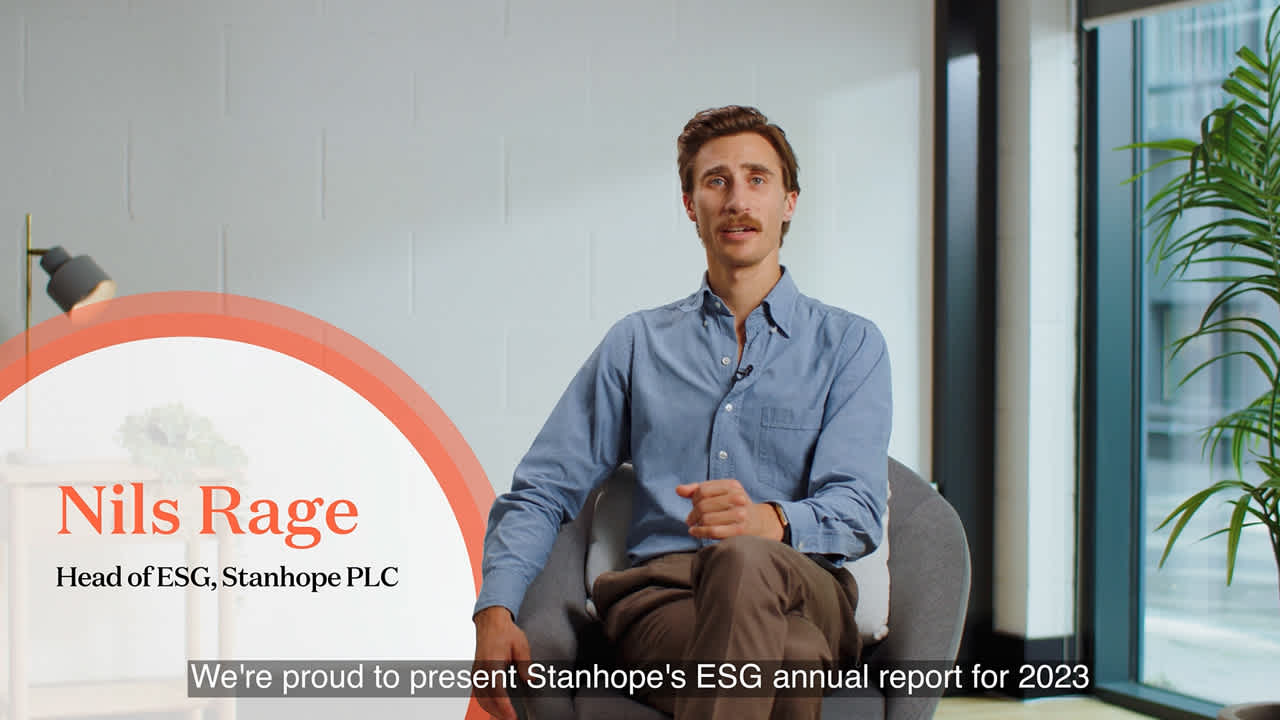
Stanhope are proud to present our ESG Annual Report 2023.
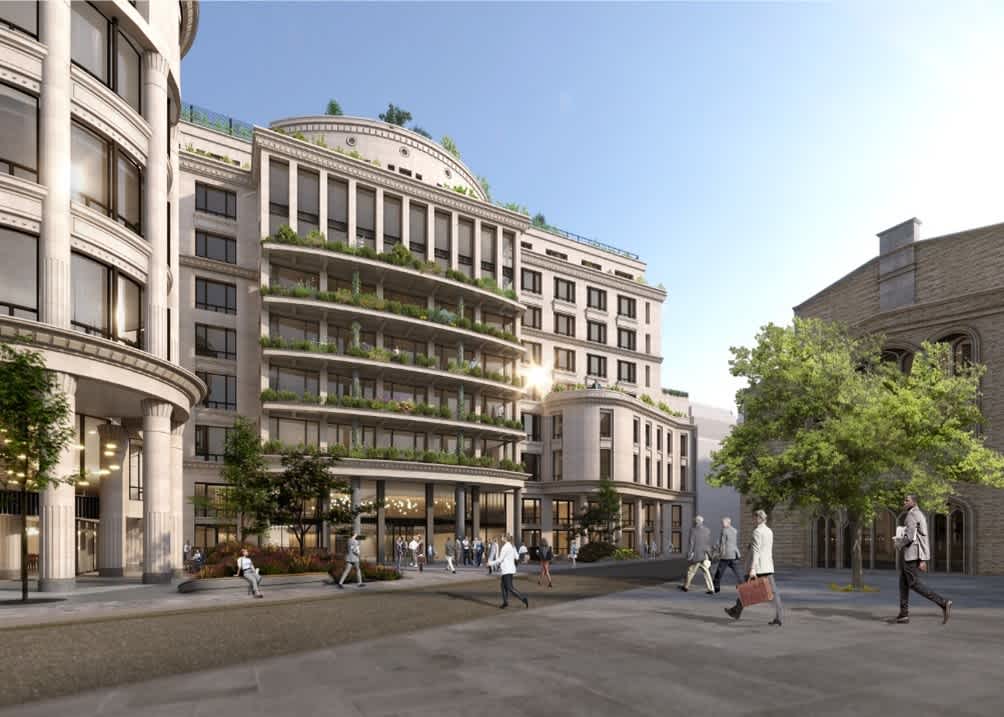
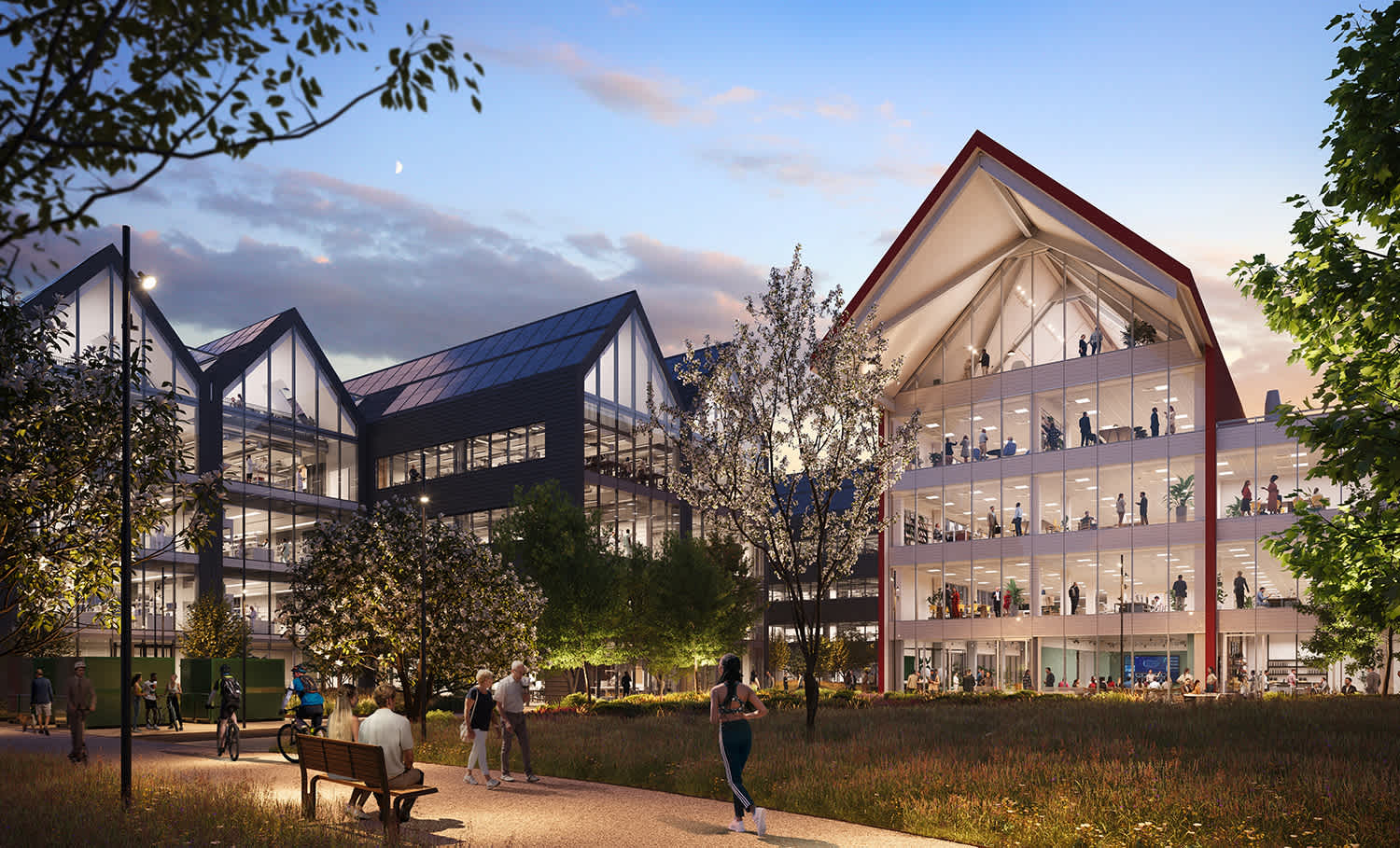
Stanhope and the Woolgate Exchange Unit Trust (WEUT) are pleased to announce that Mace has commenced construction work on the redevelopment of Woolgate, an iconic headquarters building.
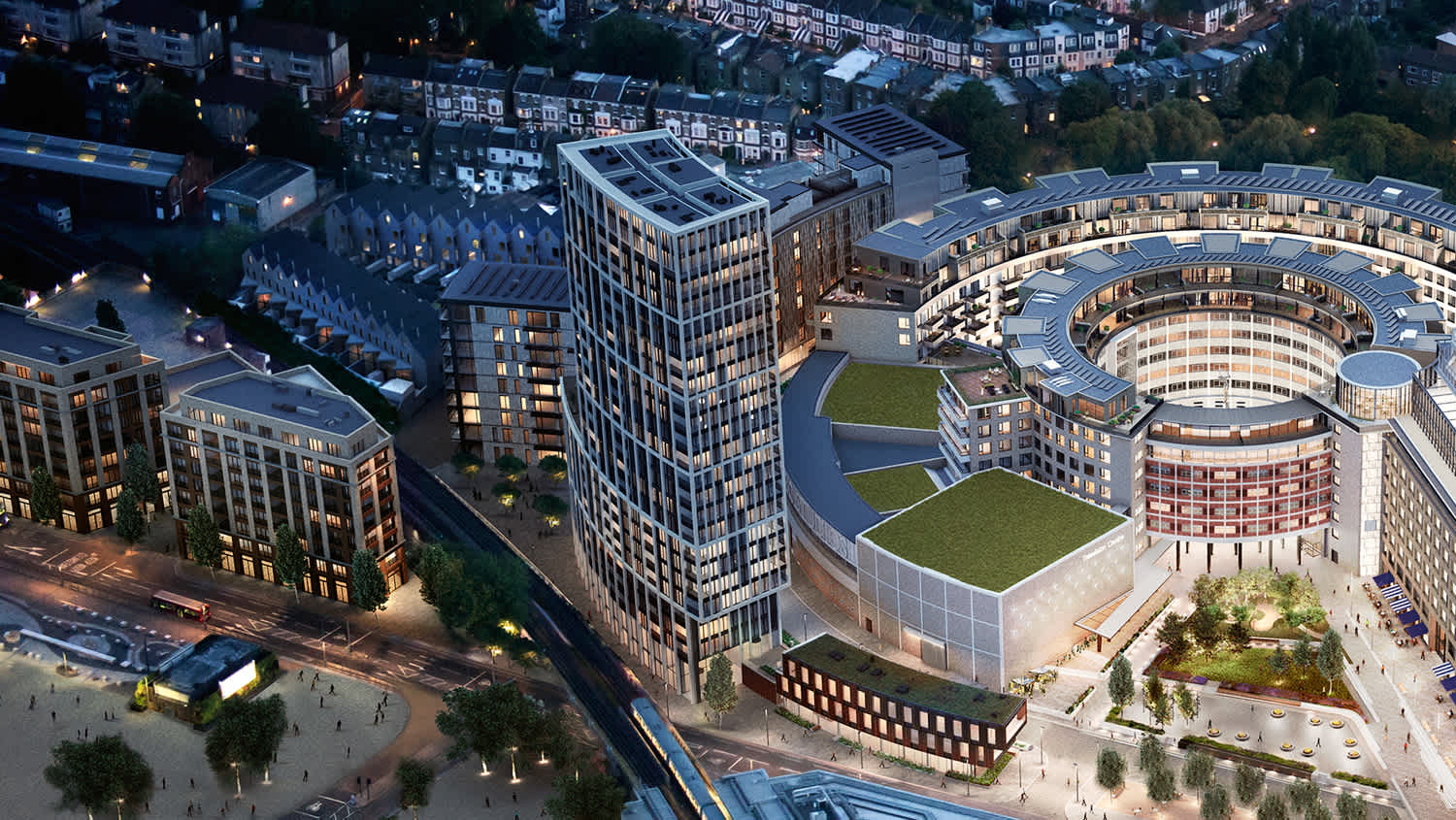
Mitsui Fudosan and Stanhope, as development manager, today announce that they have confirmed the appointment of Multiplex as the construction manager for two residential blocks of 345 apartments as part of the second phase of the redevelopment of Television Centre.
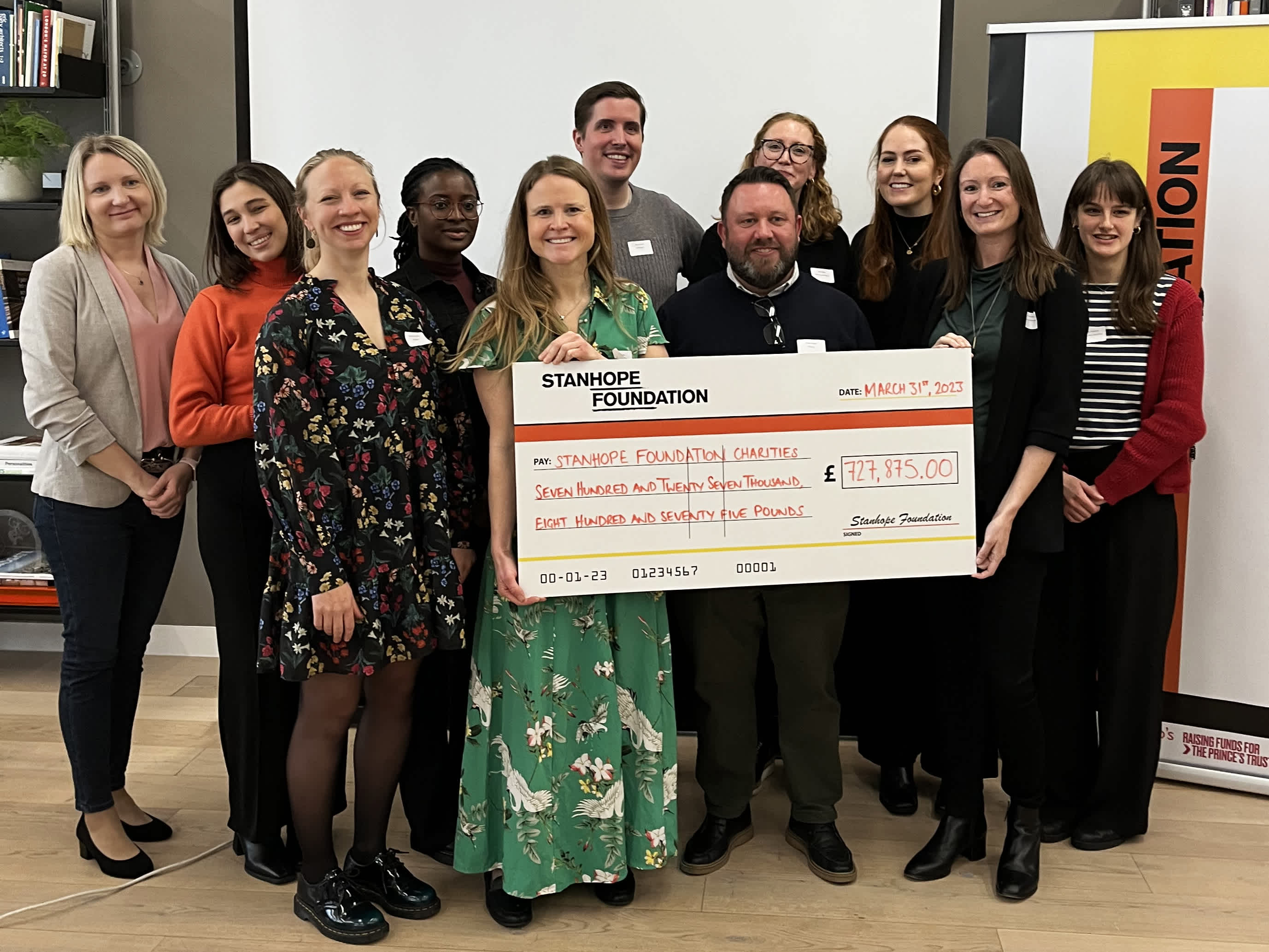
Today we're celebrating a milestone as the Stanhope Foundation reaches its second birthday!
Leading UK developer Stanhope PLC has today announced it has successfully achieved B Corporation (B Corp) certification, joining only a handful of other developers and asset managers who meet the rigorous requirements.
Senior Development Director, Charles Walford, and ESG Executive (and Stanhope Foundation lead), Alice Reid, volunteer on a late-night shift as Outreach volunteers.
Stanhope Foundation’s Journey for Jobs race – Vancouver to Vegas is now on!
Stanhope and the Swiss Investment Foundation AFIAA today are delighted to announce that Bank of Ireland has confirmed it is to relocate its London office to the last vacant floor in Gresham St Paul’s
A celebration of completing 8 Bishopsgate, a sustainable tall building in the City.
Canadian investor Cadillac Fairview, the real estate arm of Ontario Teachers’ Pension Plan, has acquired a 25% stake in UK developer and asset manager Stanhope PLC.
Stanhope are proud to present our ESG Annual Report 2023.
Our fearless Stanhope Foundation team abseiled off the Leadenhall Building raising over £8k for Maggie's Centres.
Stanhope and the Woolgate Exchange Unit Trust (WEUT) are pleased to announce that Mace has commenced construction work on the redevelopment of Woolgate, an iconic headquarters building.
Stanhope are pleased to announce that construction work has commenced on the transformation and extension of 76 Southbank, adjacent to the National Theatre, to create a premier, sustainable office space that embodies innovation and wellbeing.
Mitsui Fudosan and Stanhope, as development manager, today announce that they have confirmed the appointment of Multiplex as the construction manager for two residential blocks of 345 apartments as part of the second phase of the redevelopment of Television Centre.
Stanhope and Mitsubishi Estate London have signed specialist insurer Atrium for a flagship office development in the City of London.
Today we're celebrating a milestone as the Stanhope Foundation reaches its second birthday!
Stanhope, on behalf of investors Mitsui Fudosan and Alberta Investment Management Corporation (AIMCo), and some of their clients, is announcing the completion of 1 Wood Crescent at Television Centre in West London and its availability for letting to prospective tenants.
Leading UK developer Stanhope PLC has today announced it has successfully achieved B Corporation (B Corp) certification, joining only a handful of other developers and asset managers who meet the rigorous requirements.