Great places
stand the
test of time


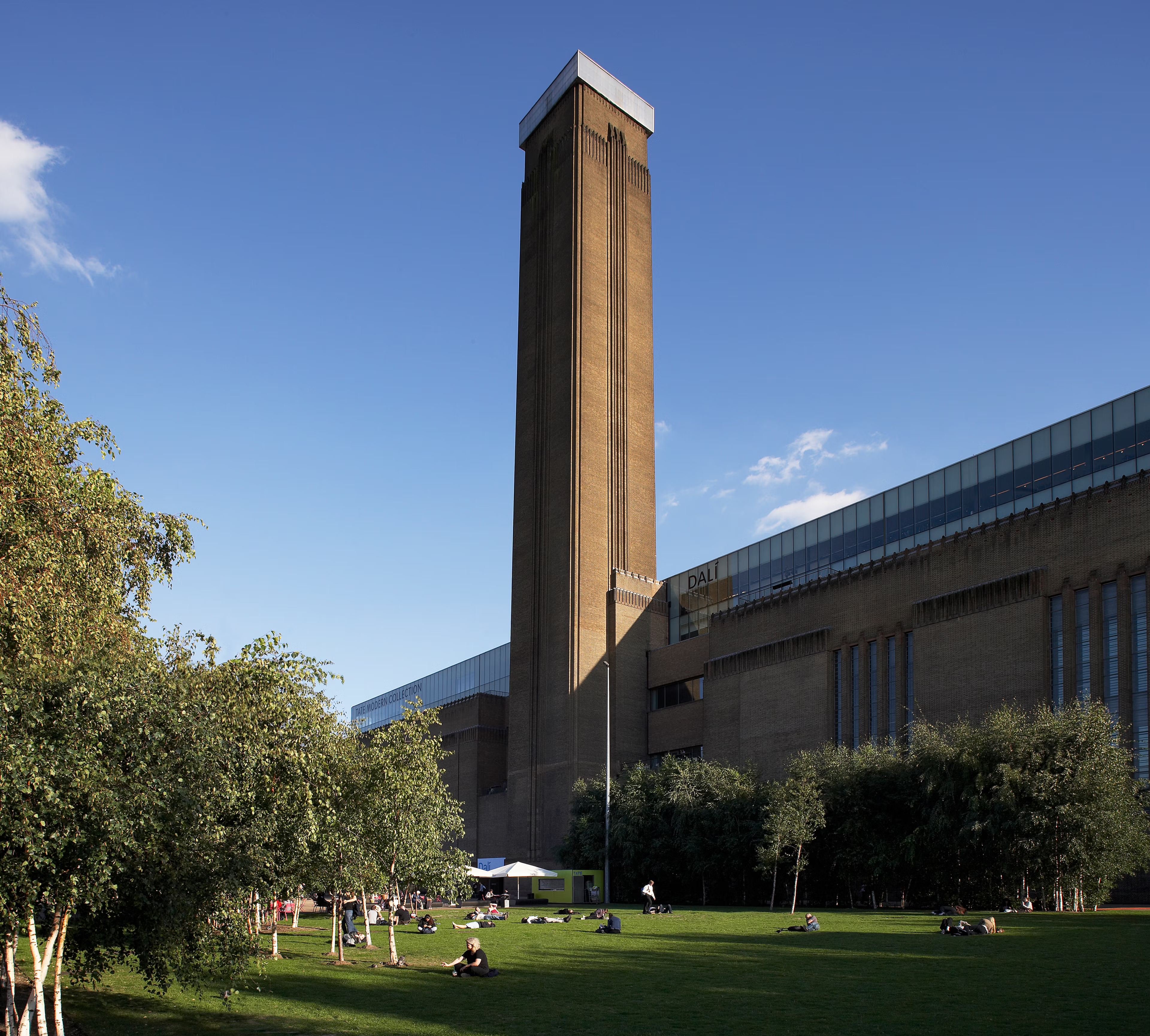
We’re the developers and asset managers behind lots of London’s most dynamic and longstanding landmarks, from Tate Modern to Television Centre.
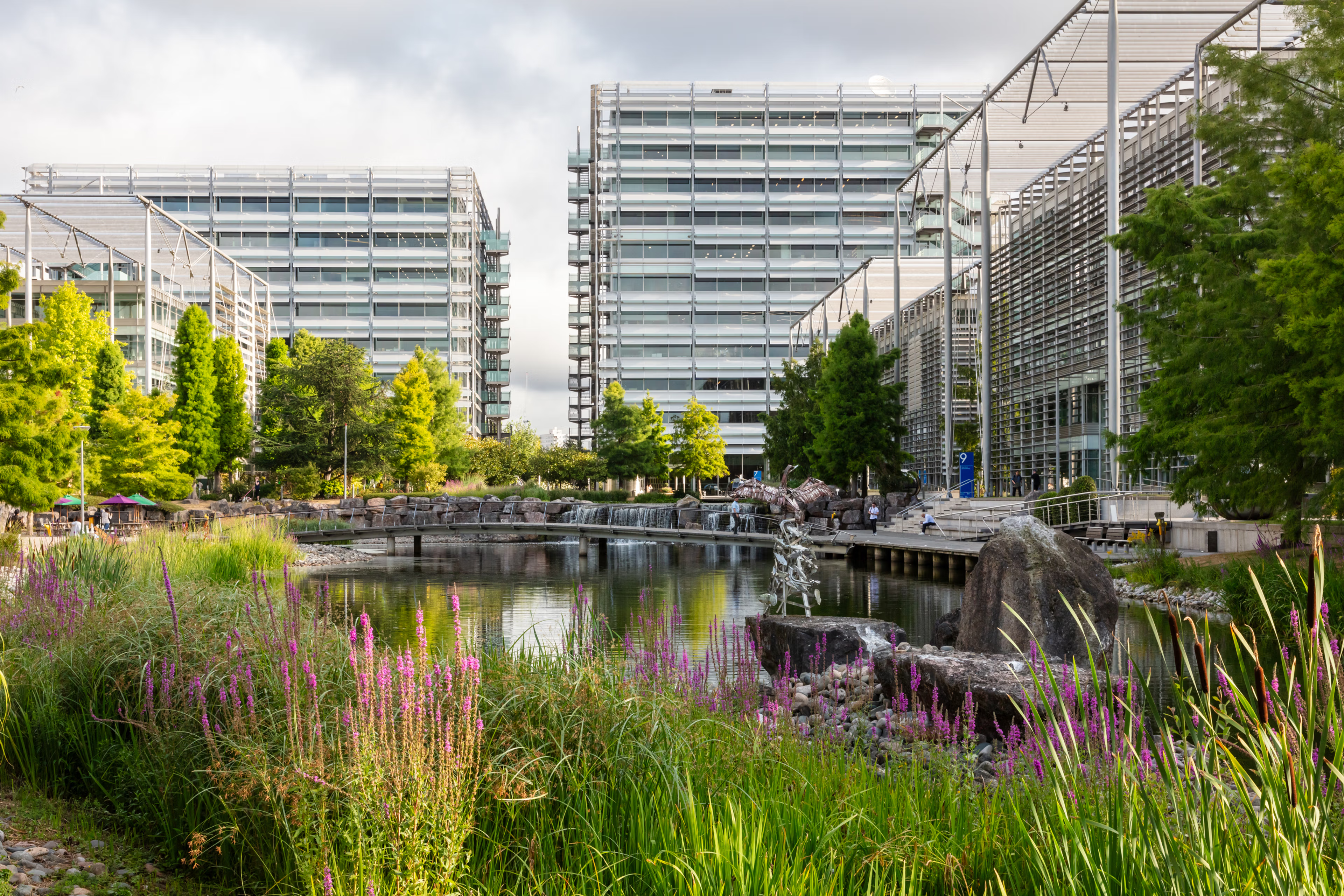
Walk into any of our places or buildings and you’ll find it humming with human activity. People trust Stanhope to shape places with all sorts of different, often complex functions: science hubs, opera houses, global office headquarters. We’ve been doing it for almost four decades now, with over 40 million sq ft of experience to draw on.
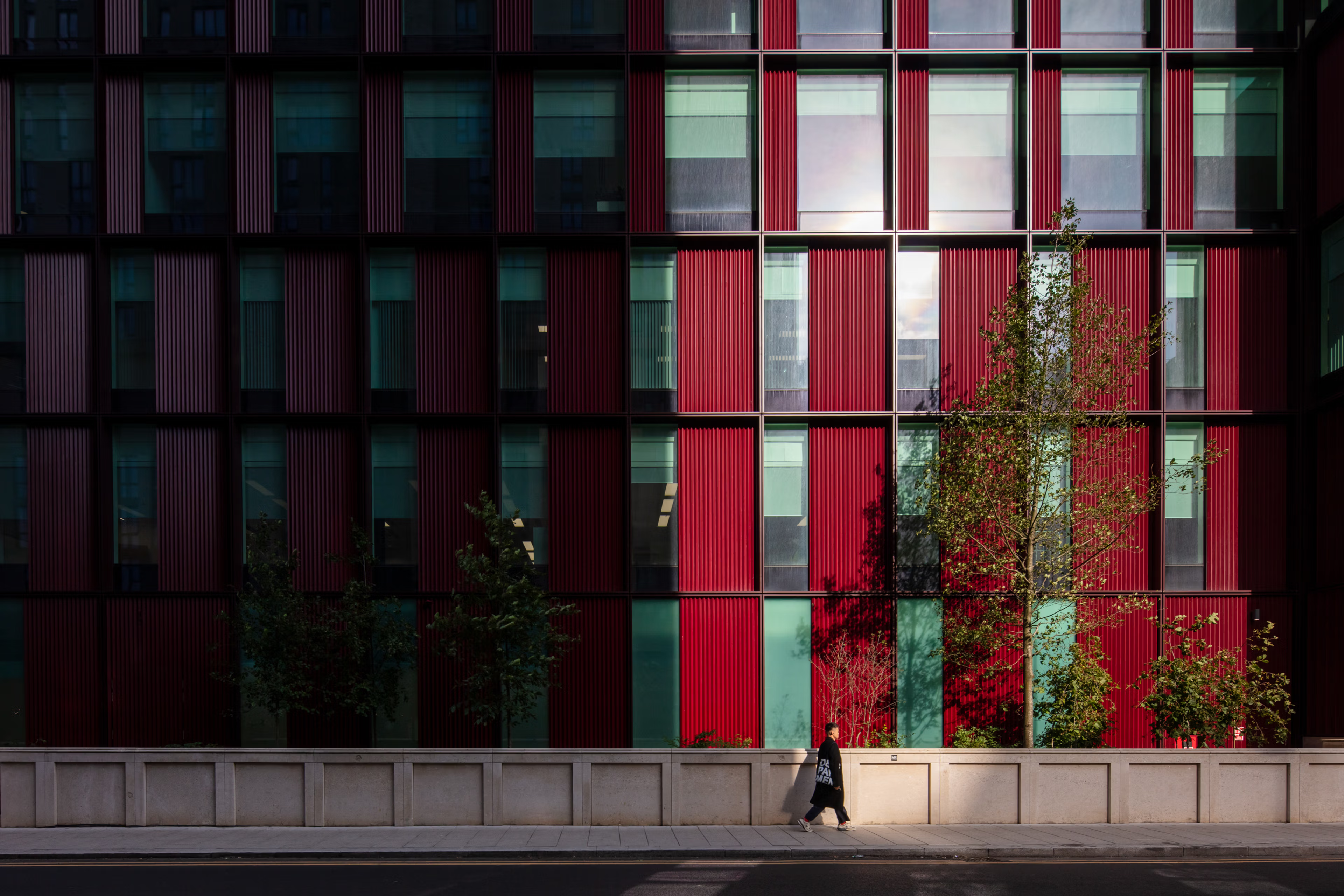
We originate, design, deliver and manage great places that stand the test of time: sustainable, flexible places that create value.
We’re experts in the whole lifecycle of a development, from the earliest ideas through to managing a place. Our team is unique for having specialists in the room at every stage: a knowledge network that keeps us at the forefront of the market. We like co-investing in our projects to underscore alignment with our partners and goals.


0m
Sq ft delivered
£0bn
End value delivered + under construction
£0bn
Typical construction value managed + pipeline

Latest
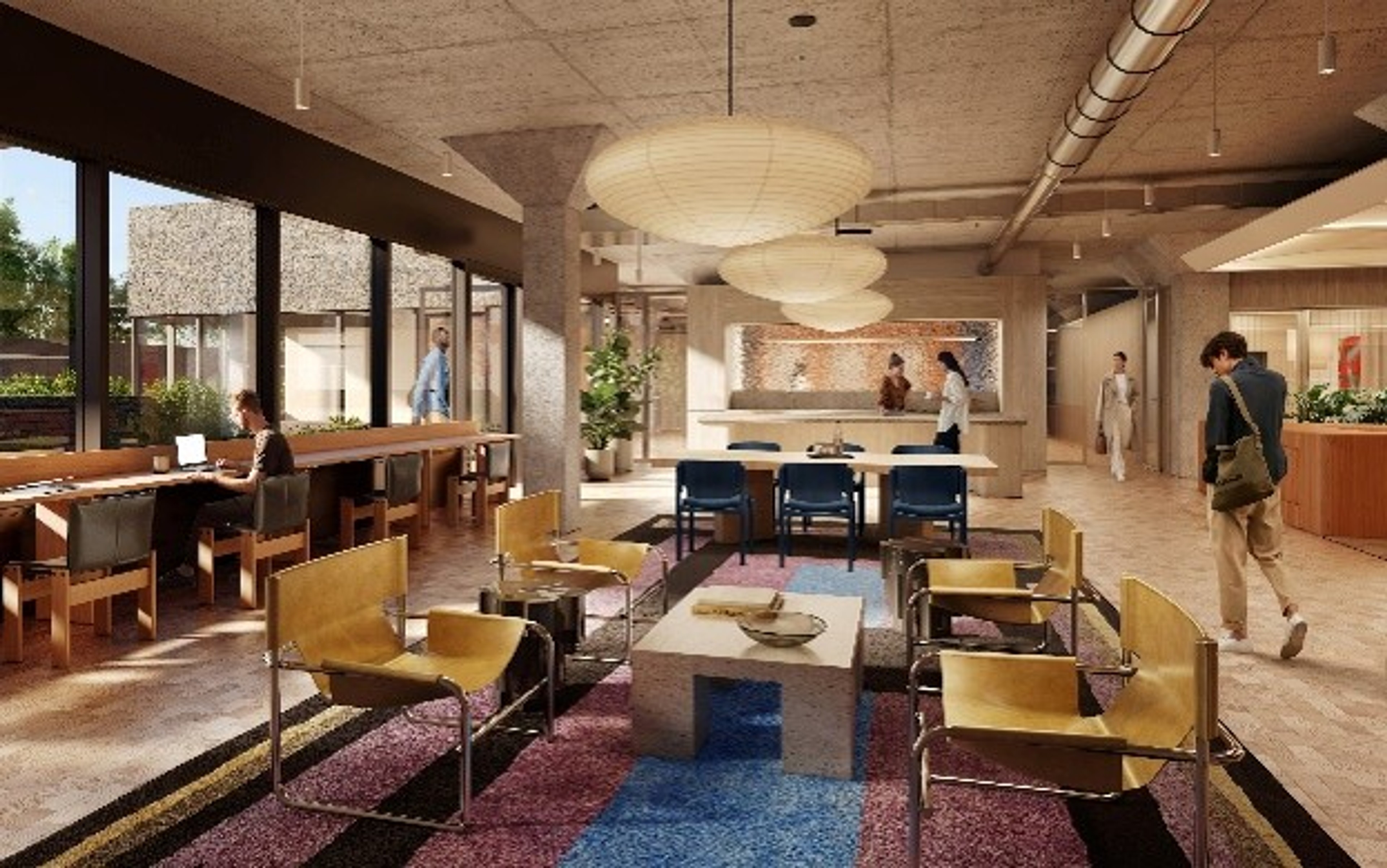
Fora signs 46,332 sq. ft. deal to bring flexible workspace to iconic 76 Southbank
Fora joins leading global occupiers LEGO and PayPal at the Grade II listed, 300,000 sq. ft. sustainable office building
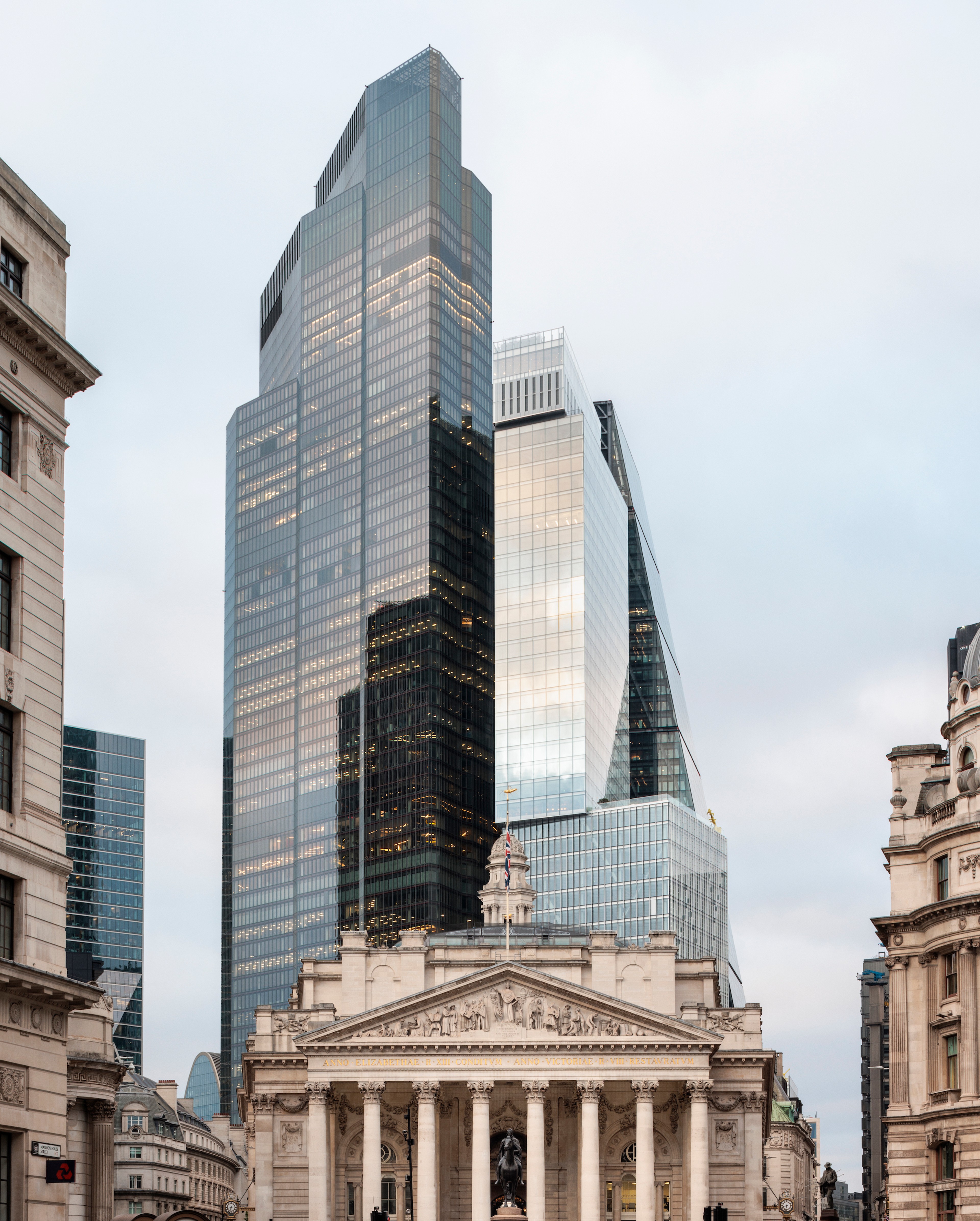
8 Bishopsgate hits fully let status following King & Spalding expansion
Mitsubishi Estate London (MEL) and Stanhope have secured full occupancy as international law firm King & Spalding will be expanding its office space in the building by signing the final floor available.
Meet David Camp, the ‘man who built the City’
Meet David Camp, the ‘man who built the City’
Our CEO, David Camp, interviewed by The Times where he discussed Stanhope's track record in delivering landmark London developments.
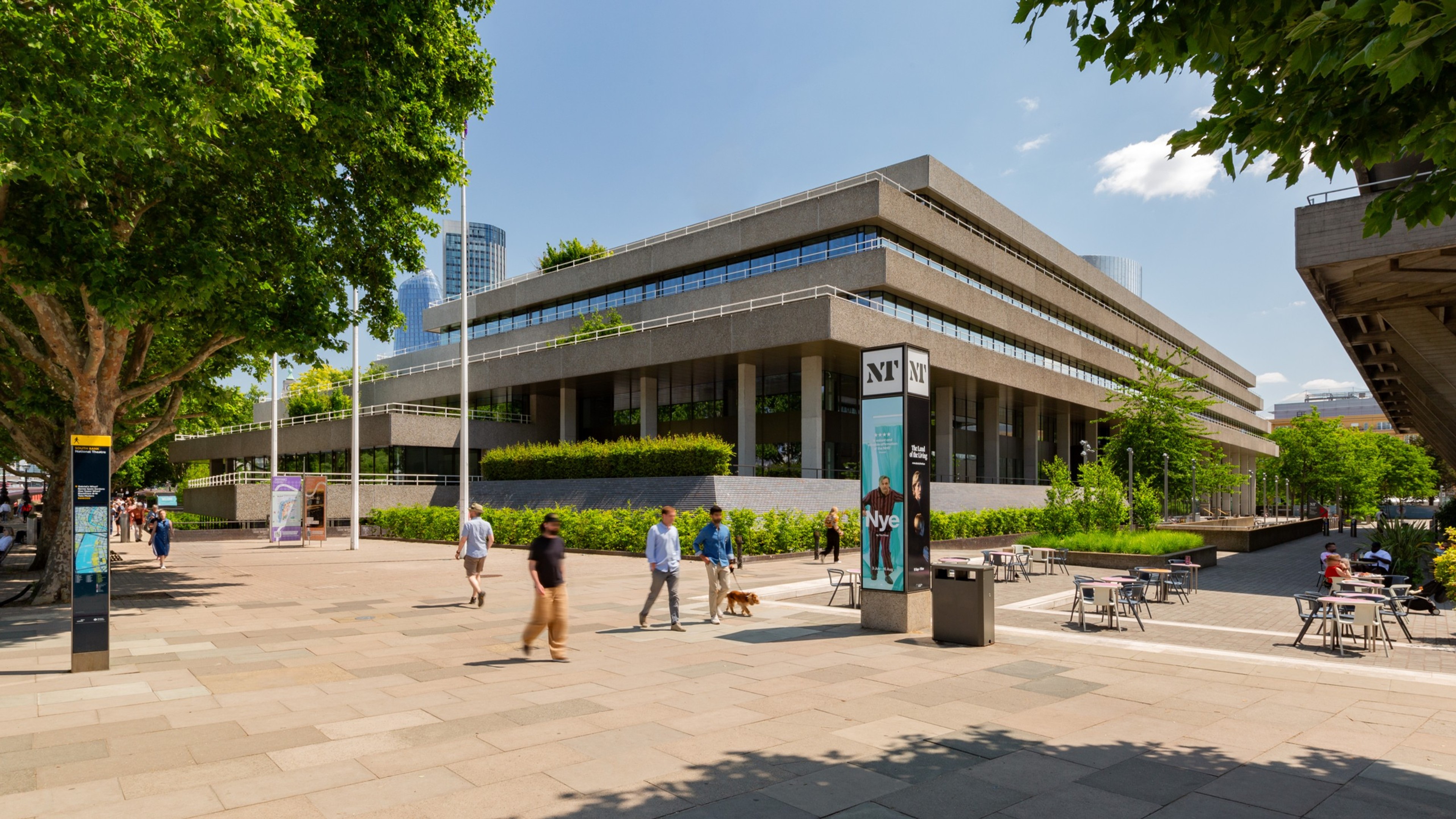
76 Southbank recognised at the BCO and Civic Trust Awards
Last night 76 Southbank won the BCO London Award for Best Refurbished/Recycled Workplace, having recently won twice at the Civic Trust Awards.
Contact us
We’re here to help, whether you need to find out something about an existing Stanhope project, or want to discuss something new.